
What Every Charleston SC Buyer Needs to Know
By Brett Kelley | The TREAT Team | SCSold LLC
Licensed Real Estate Agent | Charleston Tri-County Market | findhomessc.com
In partnership with Matt Mieras, Branch Manager at Guild Mortgage (NMLS #245686)
Buying a home is one of the biggest financial decisions you will ever make. And while most buyers focus on the fun parts (finding the right neighborhood, making an offer, imagining their life in a new space), the process of actually getting to the closing table is where most deals either come together or fall apart.
After working with hundreds of families across the Charleston Tri-County area (Charleston, Berkeley, and Dorchester Counties), our team has seen all of it. The buyer who bought a new car two weeks before closing. The one who accepted a cash gift without documenting it. The one who switched jobs mid-process without telling their lender.
These mistakes are heartbreaking. They are also almost always avoidable.
This guide was put together in partnership with our preferred lending partner, Matt Mieras at Guild Mortgage. Whether you are just starting to think about buying or already under contract, these rules will protect your approval and help you close with confidence.
Before You Start: Set Yourself Up for Success
What is the first thing a home buyer should do in Charleston SC?
First: understand how many loan options are available.
Get pre-approved before you tour a single home. This is the most important step most buyers skip, and in a competitive market like Charleston, sellers expect to see it before they take any offer seriously.
Pre-qualification gives you a rough estimate based on what you self-report. Pre-approval is different. With pre-approval, a lender has verified your income, credit, assets, and employment and issued a written commitment to lend up to a specific amount.
Pre-approval does four things for you:
- Defines your actual budget (not a guess)
- Tells sellers you are a serious, capable buyer
- Gives your agent an edge when negotiating on your behalf
- Speeds up your closing once you go under contract
In Charleston’s competitive market, many sellers will not consider an offer without a pre-approval letter attached. Do not fall in love with a home before you know what you can actually afford.
Who to call: Matt Mieras at Guild Mortgage | 843.670.5512 | Apply Online
How much do closing costs cost in Charleston SC?
Closing costs typically run 2 to 5% of the purchase price, on top of your down payment. On a $350,000 home, that is potentially $7,000 to $17,500 in closing costs alone. That number surprises a lot of first-time buyers.
Ask your lender for a Loan Estimate early in the process. This document outlines every expected cost so there are no surprises at the table. Your agent can also help you negotiate seller concessions to offset some of these costs.
During the Mortgage Process: Protecting Your Approval
Once your offer is accepted and your loan is in process, your financial life goes under a microscope. Underwriters review every piece of your financial picture. Any changes between application and closing can trigger delays, re-approvals, or outright denials.
Do Not Apply for New Credit of Any Kind
No new credit cards. No car loans. No furniture financing. No store accounts. Even a single new hard inquiry can drop your credit score and change your debt-to-income ratio. Your lender is watching both until the day you close. This rule starts the day you apply and runs all the way through closing.
Do Not Increase Existing Credit Limits
You might think a higher credit limit improves your utilization ratio. During a mortgage process, do not take that risk. Any change to your credit profile requires explanation and documentation. Lenders do not like surprises.
Do Not Co-Sign a Loan for Anyone
If a family member or friend asks you to co-sign during your purchase process, the answer has to be no, at least until after closing. When you co-sign, that debt appears on your credit report as your own. It raises your debt-to-income ratio and can knock you out of the loan you have been working toward.
Pay Every Bill On Time
A single late payment during the mortgage process can drop your credit score and put your approval at risk. If cash flow is tight, prioritize your loan-related accounts above everything else. Set up autopay. This is not the time to let anything slip.
Tell Your Lender About Any Changes to Employment or Income
Your lender approved you based on your current situation. A raise, a job change, a new side business, a drop in income. Any of it needs to be disclosed right away. Most changes can be managed when caught early. Surprises at the last minute are a different story.
Do Not Quit or Change Jobs During the Process
Employment stability is a key factor in your mortgage approval. Even a lateral move to a different company with similar pay can stall your loan because lenders need to establish your income history at the new employer. Going from W-2 to self-employment is even more complicated. If a job change is unavoidable, call your lender first.
Managing Your Bank Accounts and Assets
Document All Non-Payroll Deposits
Every deposit that does not come from your regular paycheck will be questioned by the underwriter. That includes:
- Gifts from family members
- Personal transfers between accounts
- Tax refunds
- Cash deposits of any size
- Proceeds from selling personal property
Keep receipts, transfer records, and gift letters. If you receive a gift for the down payment, your lender needs a signed gift letter from the donor confirming it is not a loan.
Do Not Move Large Sums Between Accounts Without Telling Your Lender
What looks like a routine transfer to you looks like an unexplained discrepancy to an underwriter. Before you move significant money between accounts, even your own accounts, let your lender know so they can advise you on documentation.
Do Not Open or Close Bank Accounts
Keep your banking stable and unchanged throughout the process. New accounts create gaps in the paper trail. Closed accounts make your financial history harder to verify. Either way, it creates delays.
Provide Official Statements, Not Screenshots
Screenshots of your bank balance or investment accounts are not accepted by mortgage underwriters. They can be altered and do not carry the same credibility as official documents. Download PDF statements directly from your bank’s website and provide those.
If Any Assets Are Tied to Cryptocurrency, Say So Now
Cryptocurrency requires special handling. The value fluctuates, the sourcing has to be documented, and liquidation takes time. If any portion of your down payment or assets is tied to crypto, tell your lender at the very start of the process, not the week before closing.
Once You Are Under Contract: The Final Stretch
Getting under contract feels like the finish line. It is not. It is the start of the most critical phase.
Do Not Make Large Purchases Before Closing
The temptation is real. You have found your home and you are already mentally furnishing it. Hold off. Buying a car, financing furniture, leasing appliances. Any major purchase before closing can change your debt-to-income ratio and pull your loan at the worst possible time. Nothing big until you have keys in hand. The couch can wait. The house cannot.
Get Homeowner’s Insurance in Place Early
Your lender requires proof of homeowner’s insurance before funding the loan. Do not wait until the week before closing to shop for it. Policies take time to set up, and some properties in the Charleston area require additional coverage. Flood insurance, for example, is required in certain flood zones. Start at least two to three weeks out.
Do a Final Walkthrough Before Closing
The final walkthrough is your last chance to verify:
- All agreed-upon repairs have been completed
- Items that were supposed to stay are still in place
- The property is in the same condition as when you made your offer
- Nothing has been damaged or removed
It takes less than an hour and can save you thousands. Do not skip it.
Respond to Document Requests Within 24 Hours
The most common cause of delayed closings is slow document responses from buyers. Your lender may come back multiple times with additional paperwork requests. Turn every request around within 24 hours. Keep a dedicated folder with all your loan documents so you can move fast when it counts.
Wire Fraud: The Warning Every Buyer Needs to Hear
Real estate wire fraud is one of the most common financial crimes targeting home buyers. Criminals monitor email chains, impersonate attorneys or title agents, and send convincing fake wire instructions right when buyers have large sums ready to send.
The rule: always call before you wire any money.
If you receive an email or text with wire transfer instructions, even if it looks like it is from someone you know, stop. Call your closing attorney at a verified phone number (one you looked up yourself, not one in the message) before sending a dollar.
Your lender will never send new or changed wire instructions by email. Any such communication should be treated as suspicious and reported right away.
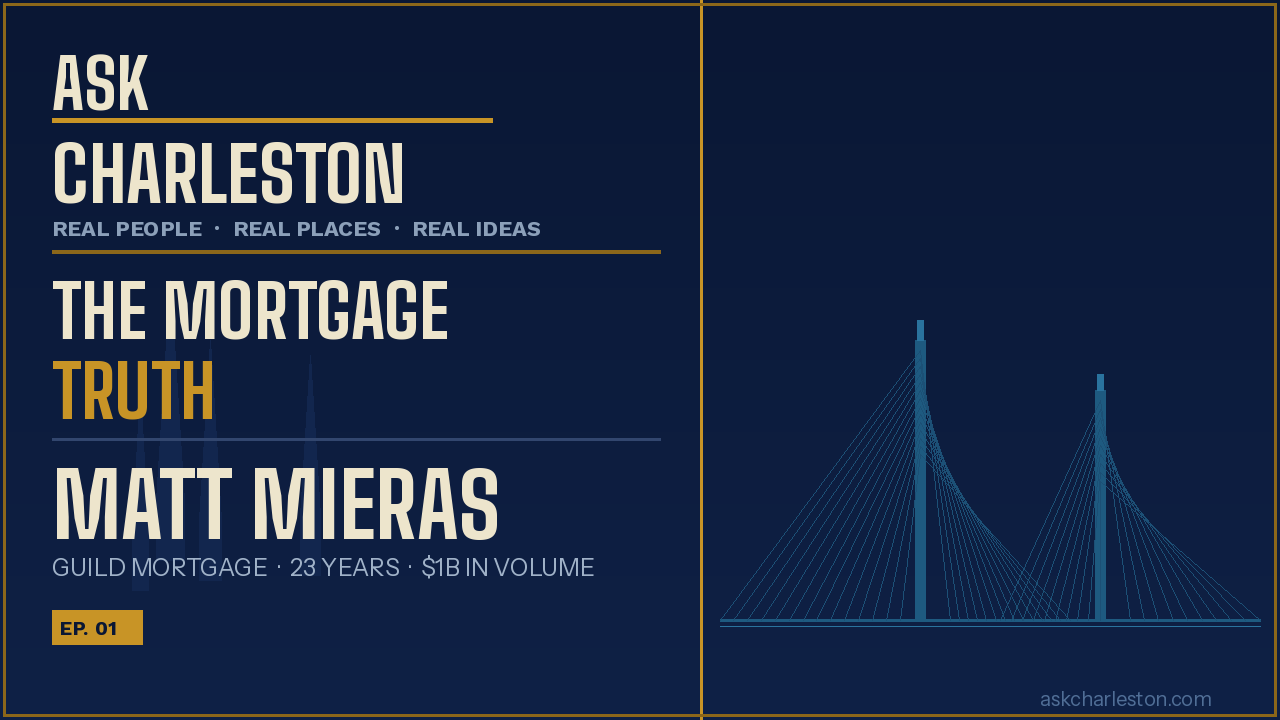
Watch: Full Episode with Matt Mieras on the Home Buying Process
We sat down with Matt Mieras from Guild Mortgage to talk through everything in this guide and more. If you want to hear this straight from a mortgage expert, this episode is worth your time.
Watch the full episode: https://youtu.be/BEnXlxD2sl8
Matt covers what buyers get wrong most often, what lenders actually look at during underwriting, and how to set yourself up to close on time without drama.
Frequently Asked Questions
Can buying a car before closing affect my mortgage?
Yes. Buying a car before closing raises your debt-to-income ratio and adds a new credit inquiry to your report. Both can reduce your loan amount or trigger a denial. Do not make any major purchases until after you have keys in hand.
How long before closing should I stop applying for credit?
Stop applying for any new credit the moment you decide to buy a home, ideally before you even contact a lender. Any new inquiry during the pre-approval or underwriting phase can change your approval terms or invalidate your approval entirely.
Can I change jobs while buying a home?
It depends on the situation, but it is risky. Even a move to a comparable position at a different company can pause your loan while the lender verifies your new income. Going from W-2 to self-employment during the process is especially complicated. Always tell your lender before making any career moves.
What documents do mortgage lenders need from home buyers?
Lenders typically need two years of tax returns, recent pay stubs, two to three months of bank statements, a government-issued ID, and documentation for any non-payroll deposits. Always provide official PDF statements, not screenshots.
What is wire fraud in real estate and how do I avoid it?
Real estate wire fraud happens when criminals intercept your email communication and send fake wiring instructions. To avoid it: always call your closing attorney at a verified number before wiring any money. Never trust wire instructions sent by email alone.
How much are closing costs in Charleston SC?
Closing costs in the Charleston area typically range from 2 to 5% of the purchase price. On a $350,000 home, that is between $7,000 and $17,500 on top of your down payment. Ask your lender for a Loan Estimate early so you know exactly what to expect.
Do I need a final walkthrough before closing?
Yes. The final walkthrough is your last chance to confirm that agreed-upon repairs were completed, that the property is in the expected condition, and that nothing was removed or damaged. It takes less than an hour and is worth every minute.
What is the difference between pre-qualification and pre-approval?
Pre-qualification is a quick estimate based on information you self-report. Pre-approval means a lender has actually verified your income, credit, employment, and assets and issued a written commitment to lend up to a specific amount. In a competitive market like Charleston, pre-approval is what sellers take seriously.
Quick Reference Checklist
DO:
- Get pre-approved before you start touring homes
- Pay every bill on time throughout the process
- Document all non-payroll deposits with a paper trail
- Provide official bank statements (PDF, not screenshots)
- Respond to all lender document requests within 24 hours
- Tell your lender about any changes to income, employment, or assets
- Budget for closing costs (2 to 5% of purchase price)
- Get homeowner’s insurance in place at least 2 to 3 weeks before closing
- Complete your final walkthrough before closing day
- Call to verify all wire instructions before sending money
DON’T:
- Apply for new credit cards, loans, or financing of any kind until after closing
- Co-sign a loan for anyone during the process
- Make large purchases before you have keys in hand
- Change or quit your job without telling your lender first
- Move large sums between accounts without communicating with your lender
- Open or close any bank accounts during the process
- Let anyone run your credit unnecessarily
- Skip the home inspection
- Wire money without phone verification first
Working With the Right Team
The buyers who make it to closing without drama share one thing in common: they stay in close communication with their agent and their lender from start to finish. No question is too small. No change is too minor to mention.
Your Lending Partner
Matt Mieras | Branch Manager | Guild Mortgage
NMLS #245686 | Company NMLS #3274
1180 Sam Rittenberg Blvd, Suite 305 | Charleston, SC 29407
843.670.5512 | [email protected]
Your Real Estate Team
The TREAT Team | SCSold LLC
Serving the Charleston Tri-County Market
(843) 738-2394 | [email protected]
This article was written by Brett Kelley of The TREAT Team | SCSold LLC, in partnership with Matt Mieras, Branch Manager at Guild Mortgage (NMLS #245686). Guild Mortgage is an Equal Housing Opportunity lender. Company NMLS #3274. Content is intended for informational purposes and reflects the authors’ professional experience in the Charleston SC real estate market.
Check out this article next