
Rate Buydowns in Charleston: What Resale Sellers Are Up Against
What Is a Builder Rate Buydown, and How Does It Affect Charleston Resale Sellers?
A rate buydown is money the builder pays upfront, either straight to the lender or into an escrow account, to lower a buyer's mortgage rate for the first few years or for the life of the loan. Builders in fast-growing Charleston tri-county communities like Nexton, Cane Bay Plantation, and Point Hope are using buydowns instead of price cuts because it costs them less while still making the monthly payment dramatically more attractive than a resale home down the street. If you're selling a pre-owned home near one of these communities, buyers are quietly comparing your price against a competitor's effective payment, not just the number on the sign, and that competition is not going away anytime soon.
By Brett Kelley | July 9, 2026
What a Rate Buydown Actually Is (No Sales Pitch, Just the Mechanics)
I get some version of this question from almost every seller I work with near a new construction community right now: "How is that builder advertising a payment I can't touch?" Here's what's actually happening.
- Temporary buydown (2-1 or 3-2-1): The rate drops 2% in year one and 1% in year two, then settles at the full note rate in year three. The builder sets that difference aside at closing. Your lender still qualifies the buyer at the full rate, so it's a payment discount up front, not a lower approved loan.
- Who actually pays for it: The builder does, and the cost comes out of their margin on that sale, not out of thin air. That's exactly why builders can offer this at scale across a whole neighborhood and an individual resale seller usually can't match it dollar for dollar without planning for it.
- Permanent buydown: The builder pays discount points at closing so the lower rate lasts for the entire loan term. This costs the builder more up front, so you'll see it less often, usually only on their slower-moving inventory.
- Why builders reach for buydowns instead of price cuts: Cutting the listed price on paper drags down the comps for every home the builder still has to sell in that phase. A buydown lowers the buyer's real monthly payment without touching the number that shows up in the county's sale records.
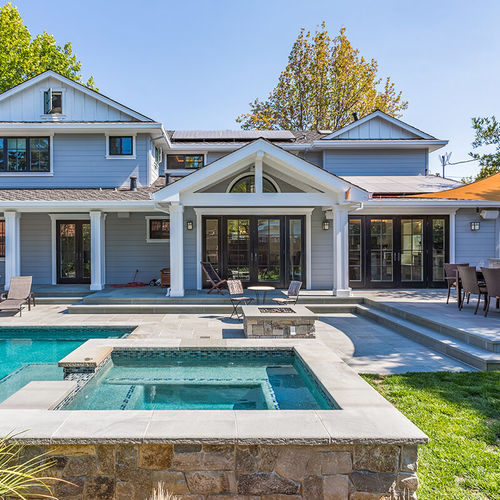
That last point is the one most resale sellers miss. A builder offering a buydown worth $15,000 to $25,000 in prepaid interest can make a $450,000 new build feel cheaper, month to month, than your $420,000 resale home with a market-rate loan. On paper, you're still priced right. In the buyer's spreadsheet, you're not.
Where This Is Actually Happening in Your Backyard
This isn't a one-community problem. If you're listing a resale home anywhere in the Berkeley or Dorchester County growth corridor, you're likely competing with one of these right now:
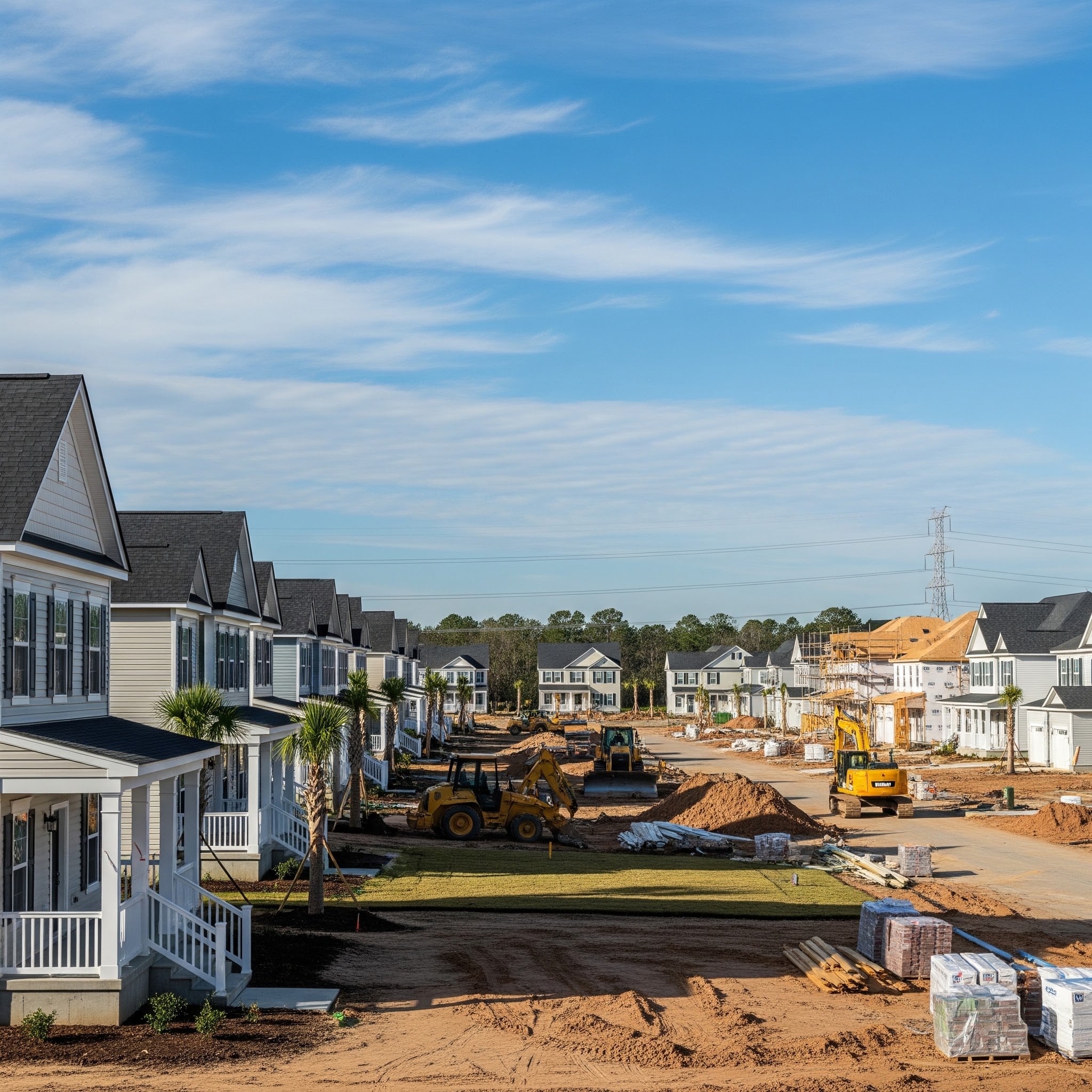
- Nexton (Summerville): Currently in roughly the third of nine planned phases, with new townhome and single-family sections still breaking ground and a second active adult neighborhood coming in 2027.
- Carnes Crossroads (Goose Creek/Summerville line): Lennar is the active builder here now, selling homes from the $300s into the $600s across 40-plus floor plans.
- Cane Bay Plantation (Summerville): Lennar, K. Hovnanian, and D.R. Horton all have active sections, with well over 200 new construction homes for sale across the community at any given time.
- Summers Corner (Summerville): One of the top-selling master-planned communities in the entire state, spanning more than 6,000 acres with multiple builder collections still releasing new phases.
- The Ponds (Summerville): Kolter Homes opened a new phase in early 2026, with homes from the $400s.
- Point Hope (Clements Ferry Road, Cainhoy/Wando): Approved for up to 18,000 homes, with 11,000 to 12,000 realistically expected to be built out over the next 15 to 20 years. Current pricing runs $808,000 to $994,000.
- Cypress Valley (Moncks Corner): Dream Finders Homes is building here now, with pricing starting in the $300s.
If your home sits within a reasonable drive of any of these, a chunk of your buyer pool is cross-shopping new construction whether you realize it or not. That's true whether you're in Summerville proper or anywhere along the Berkeley and Dorchester County growth corridors.
How Long You'll Actually Be Dealing With This
This is the part that catches most sellers off guard. This isn't a wave that passes through your neighborhood in a year and moves on. Point Hope alone is a 15 to 20 year build-out. Nexton still has six more phases to go after its current one. Cane Bay and Summers Corner are both still releasing new sections with no announced end date.
In other words, if you're selling a resale home in the Summerville, Goose Creek, Moncks Corner, or Cainhoy corridor, builder competition and builder-funded rate buydowns are closer to a permanent feature of your local market than a temporary headwind. Planning your sale around "waiting for the new construction to finish up" isn't a realistic strategy in most of these areas.
What This Means for Your Listing
You can't out-build a builder, and you shouldn't try. But you can compete on the things a brand new community can't offer yet: mature landscaping, an established neighborhood feel, a lower base price with room to negotiate, and no ongoing construction traffic or noise. A few things I walk every resale seller through in these areas:
- Price to the real competition, not just other resales. Your pricing strategy needs to account for what a buyer's effective monthly payment looks like at the new construction community down the road, not just recent resale closings.
- Consider funding your own rate buydown or closing cost credit. You don't need a builder's balance sheet to offer a version of the same incentive. A seller-funded 2-1 buydown or a closing cost credit can close the payment gap without cutting your price.
- Lead with what's already finished. Landscaping that's had years to grow in, a fenced yard, upgraded fixtures, no HOA amenities still under construction. These are real value, and new construction buyers are paying a premium to skip the wait for exactly this.
- Don't panic on day on market. If your home sits a few weeks longer than you expected, that's often the market working through this exact comparison, not a sign your price is wrong. Reacting with a quick price cut before you've priced against the full picture can leave money on the table.
Every situation is different, and the only way to know where your home really stands against this kind of competition is to run the numbers with someone who's watching these communities closely. This is exactly the kind of pricing conversation I have with sellers before we even put a sign in the yard.
If you're weighing a sale near one of these growth corridors, the fastest way to get real footing is a current value on your home, one that accounts for what's actually competing with you, not a generic estimate. You can start that here: https://findhomessc.com/home-valuation/. When you're ready to talk it through, grab a time with me: https://calendly.com/brett-treatrealty/discovery-call-with-brett.
About Brett Kelley
Brett Kelley is a licensed South Carolina REALTOR and the owner of The TREAT Team, serving buyers and sellers across the Charleston tri-county area of Charleston, Berkeley, and Dorchester counties. A REALTOR since 2016, he has helped hundreds of families buy and sell homes and specializes in listing and seller representation. Connect with Brett at findhomessc.com.
FAQs
A 2-1 buydown temporarily lowers a buyer's rate by 2% in year one and 1% in year two, then returns to the full note rate in year three. A permanent buydown pays discount points at closing so the lower rate lasts for the entire loan term. Builders use temporary buydowns far more often because they cost less to fund.
Yes. You can fund a temporary 2-1 buydown or offer a straight closing cost credit toward the buyer's rate, the same tool builders use, without needing a builder's volume or balance sheet. It's one of the most effective ways for a resale seller to close the payment gap against new construction.
Nexton, Carnes Crossroads, Cane Bay Plantation, Summers Corner, and The Ponds in the Summerville area, Point Hope along Clements Ferry Road near Cainhoy and Wando, and Cypress Valley in Moncks Corner are all actively building and marketing rate buydowns right now.
Just the payment. The home's recorded sale price stays the same, which protects the builder's comps for future phases. The buyer's monthly cost drops because the builder prepaid part of the interest, not because the purchase price changed.
In corridors like Summerville, Goose Creek, Moncks Corner, and Cainhoy, this isn't temporary. Point Hope alone is projected to build out over 15 to 20 years, and communities like Nexton, Cane Bay, and Summers Corner all have multiple undeveloped phases still ahead of them.